5 things to consider before choosing a forklift supplier
Choosing a forklift supplier isn’t just about finding a truck and getting it delivered. It’s about finding someone you can rely on when things go wrong, when you need advice, or when your operation suddenly changes pace.
Whether you run a warehouse, yard, workshop or site operation, the right supplier can make a huge difference to uptime, safety, and long-term costs.
Here are five things worth thinking about before making your decision.
1. Does the supplier understand your operation?
Not every business uses forklifts in the same way.
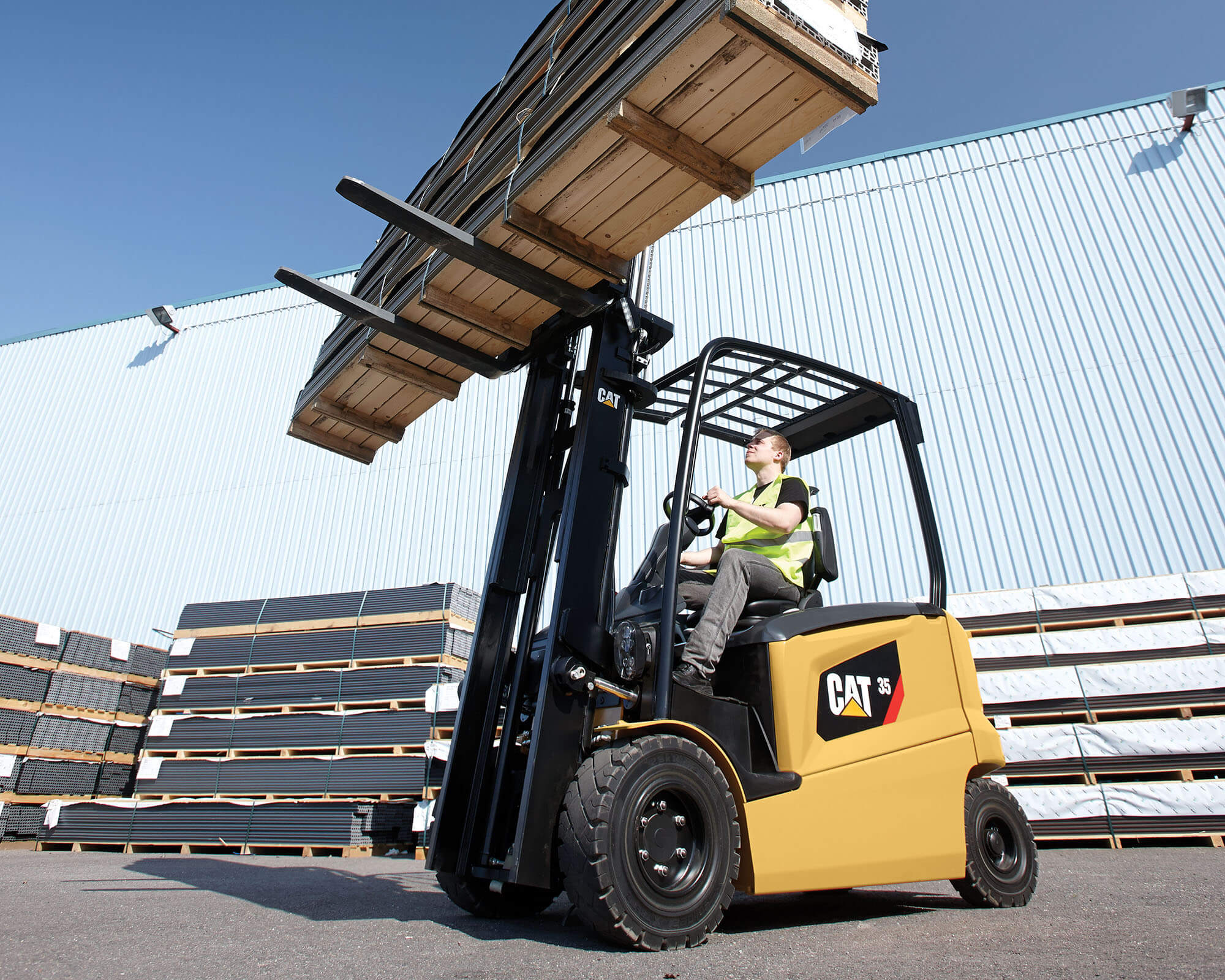
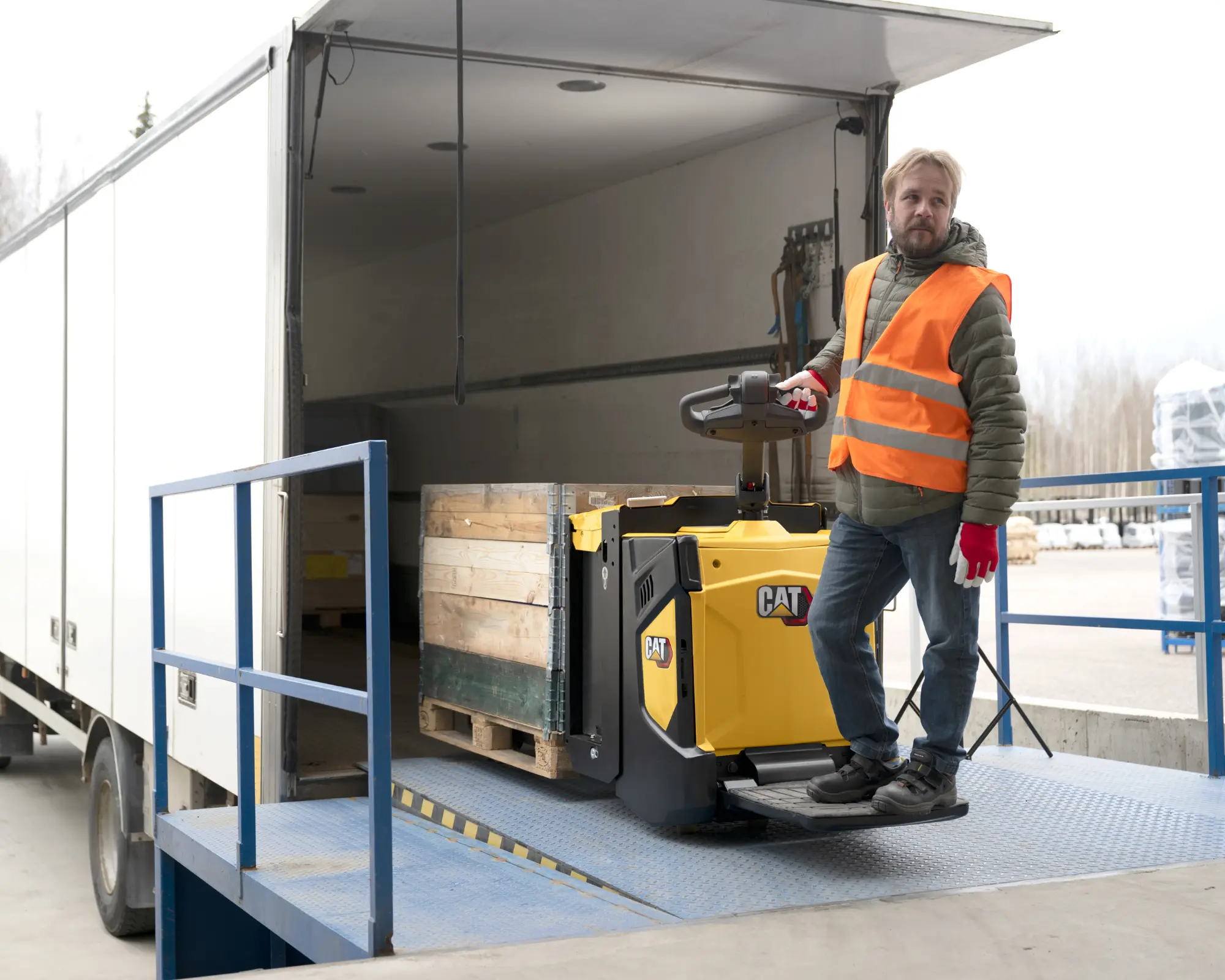
Some need compact trucks for tight warehouse aisles. Others need outdoor machines that can handle uneven ground, weather exposure, or heavy daily use.
A good supplier will ask questions about:
- your environment
- your load types
- usage hours
- access restrictions
If they’re recommending equipment without understanding your day-to-day work, that’s usually a red flag.
2. What happens when something goes wrong?
Forklifts are essential pieces of equipment — when they stop, work often stops too.
Before choosing a supplier, ask:
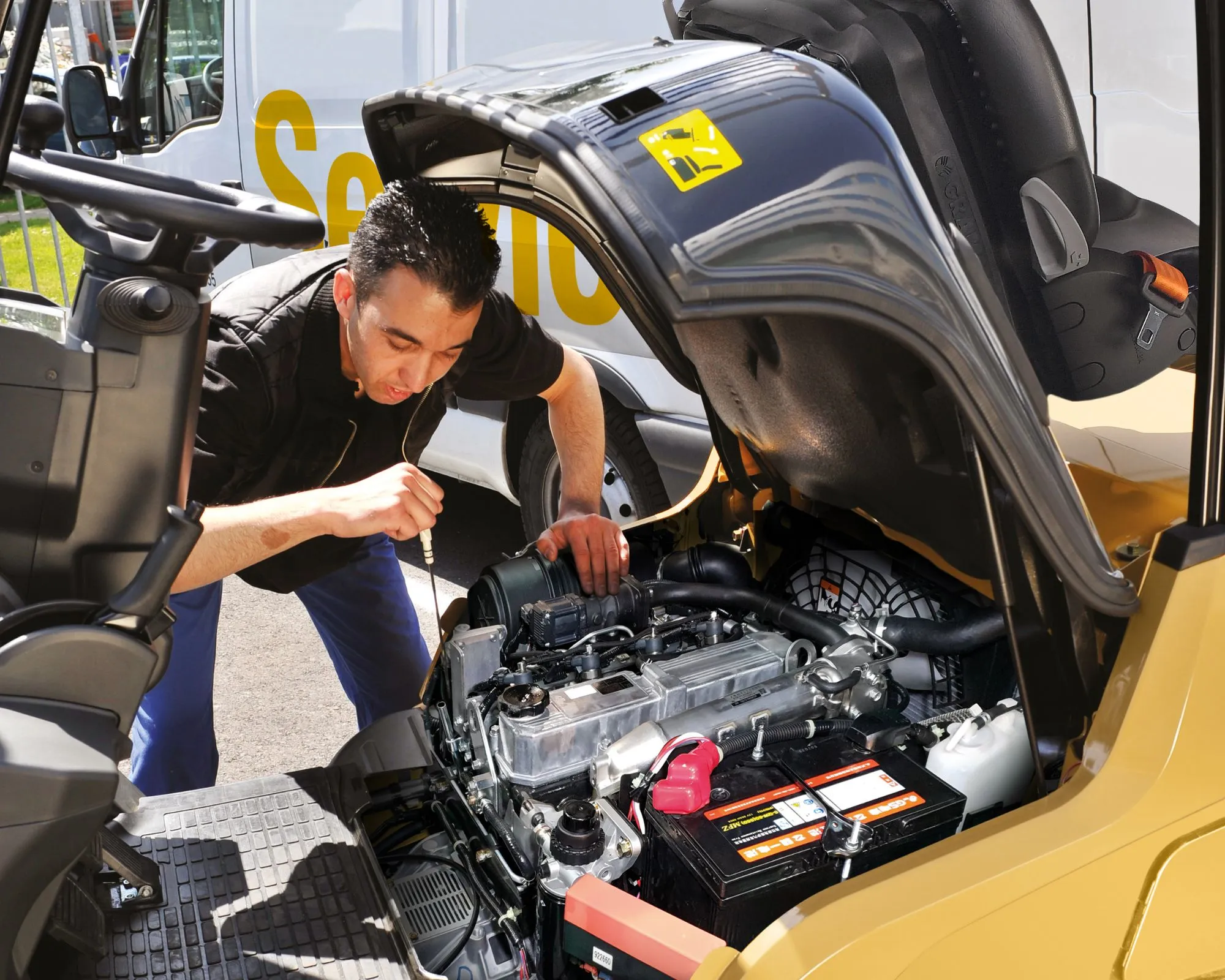
- Do they offer on-site breakdown support?
- How quickly can they respond?
- Do they carry common parts?
- Will you deal with the same engineer or a call centre?
Reliable support is often what separates a supplier from a long-term partner.
At Agate MHE, for example, we focus heavily on responsive site visits and practical fixes — because downtime costs businesses far more than repairs.
3. Can the supplier help you choose the right truck, not just sell one?
The cheapest option isn’t always the most cost-effective in the long run.
A good supplier should help you think about:
- fuel type (electric vs diesel vs LPG)
- lift height and capacity
- running costs
- servicing requirements
- future growth
Sometimes hiring, refurbishing, or reconfiguring a truck is actually the smarter route than buying new.
4. Do they offer ongoing servicing and inspections?
A forklift supplier shouldn’t disappear once the truck arrives.
Regular maintenance, safety checks, and inspections keep your equipment compliant and reduce the risk of unexpected failures.
Look for suppliers who can support:
- scheduled servicing
- thorough examinations
- safety checks
- preventative maintenance planning
This is where long-term relationships tend to pay off.
5. Are they easy to deal with?
It sounds simple, but it matters.
Clear communication, honest advice, and someone who actually turns up when they say they will often makes the biggest difference.
Forklift support works best when it feels like you’ve got someone on your side who understands your business — not just someone ticking off jobs.